

Investing Through the Fog of War
“If we went into some very major war...the last thing you’d want to do is hold money during a war…you’re going to be a lot better off owning productive assets…than pieces of paper.” -Warren Buffett

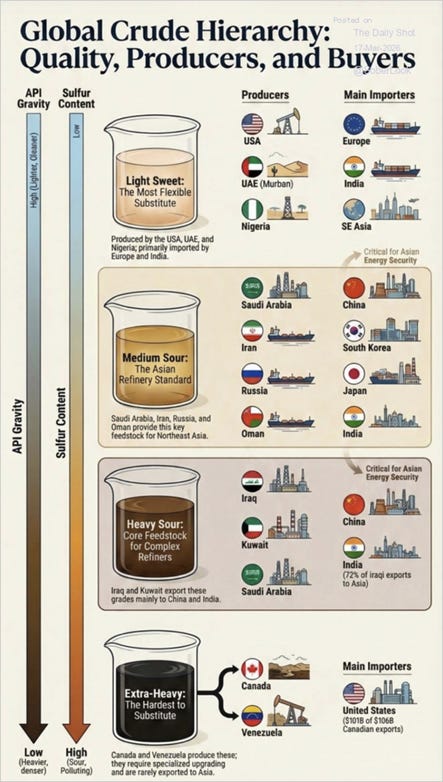
This statement we made last month is more relevant today than it was in February: Oil is a foundational commodity for the world economy. No other product’s basic material matters more. It impacts commercial and consumer transportation. When it really gets moving, there is a trickle-down effect on the prices of nearly every good.
Chart of the Week
I ask for your understanding as I dive into the financial impact of war. This is always a difficult part of my work. Like Warren Buffett, our stance is to stay focused on our investment process.
Oil moved up in dramatic fashion when the United States attacked Iran near the end of February. The rest of the investment world has been surprisingly calm. Recent U.S. mini‑wars, Iran (2025) and Venezuela (2026), were so quick that the average American experienced little disruption. Investors assume the current conflict will be the same.
This war is different because it has escalated to the critical point of halting oil shipments from flowing freely through the Strait of Hormuz. If Iran controls it, the message is simple: the U.S. can’t impose outcomes anymore. The reason won’t matter—politics, casualties, lack of military capability, or companies’ failure to obtain insurance for their shipments.
Iran may be willing to drag the conflict out, raising the pain, betting that Americans will have a low tolerance for a drawn-out war. Everyone loses in this scenario. A months-long closure of the Strait would be unthinkable for the global economy, including Iran’s. Both sides should be eager for at least a pause, if not a longer-term peace deal, especially if each can claim some form of victory.
Economic Update
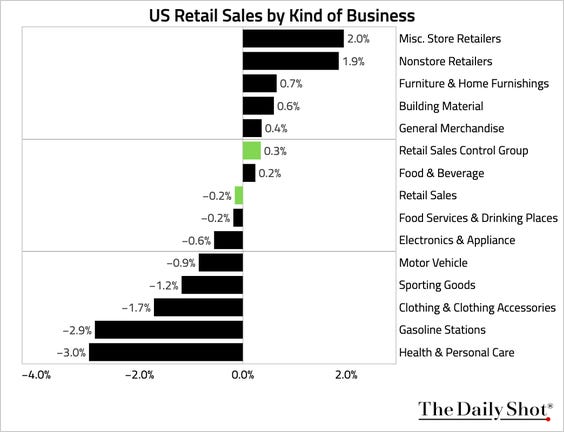
The deeper issues in the market go beyond geopolitics. Financial markets demand liquidity to finance new ventures and refinance existing ones. The U.S. Job market has slowed down in recent months, and negative revisions continue to plague these reports. Finally, the economy is slowing as low-income consumers struggle, while strong profit margins continue to fight the gravity of the stock market. Housing prices also look vulnerable. They have peaked in many areas of the country and look weak in many others.
